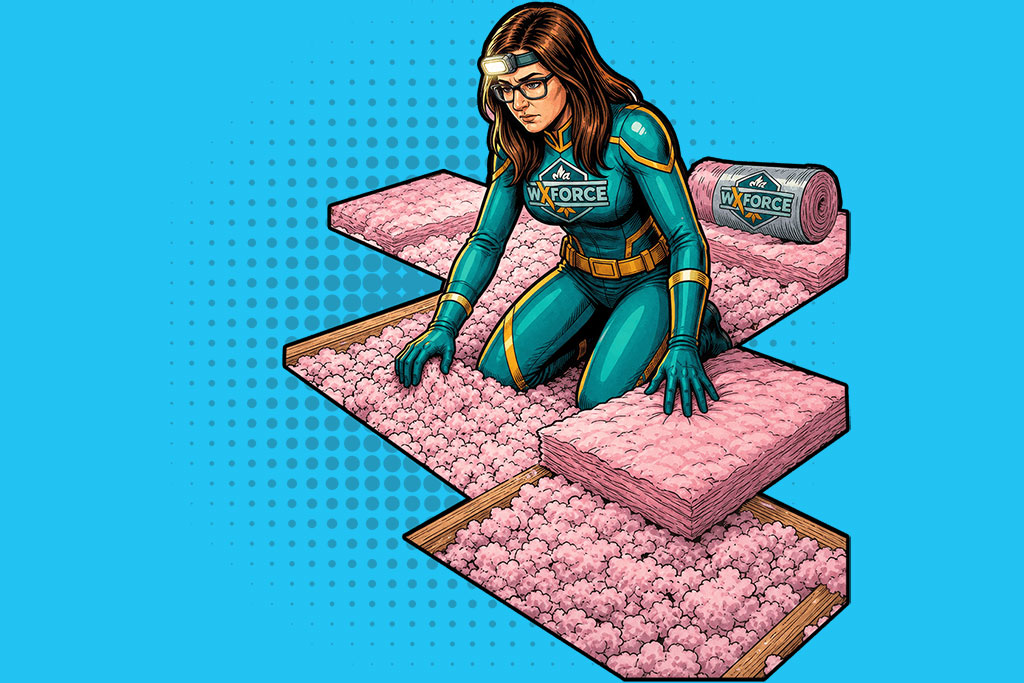
For a long time, skilled trades have been viewed through a narrow lens. But weatherization careers continue to evolve because the work requires much more than physical labor alone.
Today, weatherization combines hands-on trade work with communication, technical problem-solving, building science, diagnostics, teamwork, and leadership. Across North Dakota, more women are finding opportunities in the field and building careers that continue growing over time.
For many, the appeal is not just the work itself. It is the opportunity to keep learning.
A Career That Teaches More Than One Skill
Weatherization is one of the few fields where someone can develop practical trade experience while also learning the science behind how homes function.
Workers may begin by helping install insulation, improve ventilation, replace windows and doors, or seal air leaks. Over time, many also learn:
- how airflow affects a home
- how insulation changes energy performance
- how heating systems interact with the structure
- how to identify energy loss
- how to use diagnostic tools and testing equipment
That variety is part of what draws many women into the field. The work is active and hands-on, but it also rewards attention to detail, communication, problem-solving, and technical thinking.
As Energy Auditor and Quality Control Inspector Jayden Erdman explains:
You get to learn not just the carpentry and the things, but you get to learn the science behind everything, why we do what we do.
Building Confidence Through Training
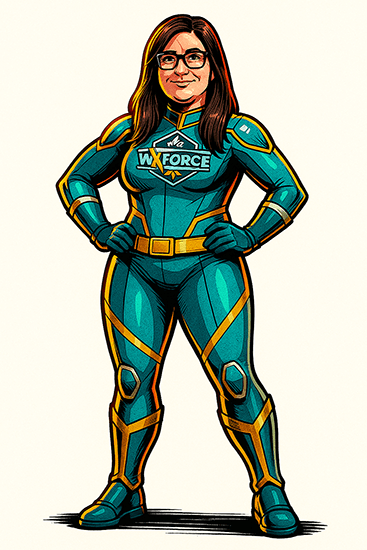
Many people entering weatherization do not start with years of experience. They build skills gradually through training, certifications, and hands-on work in the field.
Workers may have opportunities to earn certifications in:
- OSHA safety training
- Lead-safe renovation practices
- Energy auditing
- Quality control inspection
- Multifamily housing evaluation
These certifications open the door to more advanced technical and leadership roles over time.
Jayden started as a crew member at Community Action in Bismarck and later moved into auditing and inspection roles after continuing her training and certifications.
I have gotten my OSHA 10, Lead RRP certification, Energy Auditor, Quality Control Inspector, and Multifamily Quality Control Inspector certifications since starting at Community Action.
Her experience reflects something many workers discover in weatherization: the learning does not stop after the first role.
Strengths for Trade Skills
Success in weatherization comes from a wide range of strengths, many of which are often overlooked when people think about skilled trades.
The field values people who can:
- solve problems in real time
- communicate clearly with homeowners and crews
- pay attention to detail
- think critically about how homes perform
- adapt to different situations and job sites
- continue learning new systems and technologies
The work is collaborative, and crews rely on each other throughout the process.
For many women in the field, weatherization offers a balance between technical learning, teamwork, and meaningful work that has visible results.
Work That Has Real Impact
Another reason many people stay in weatherization long term is because the work directly affects families and communities.
Weatherization professionals help make homes:
- safer
- warmer
- more energy efficient
- more stable during harsh North Dakota winters
That impact is something workers see firsthand.
For Jayden, one of the most rewarding parts of the job is seeing homeowners feel relief after improvements are completed.
It’s watching the single family or the single parent be happy and just feel relieved about everything that we did for them.
That connection between technical work and helping people is part of what makes the field different from many other trades.
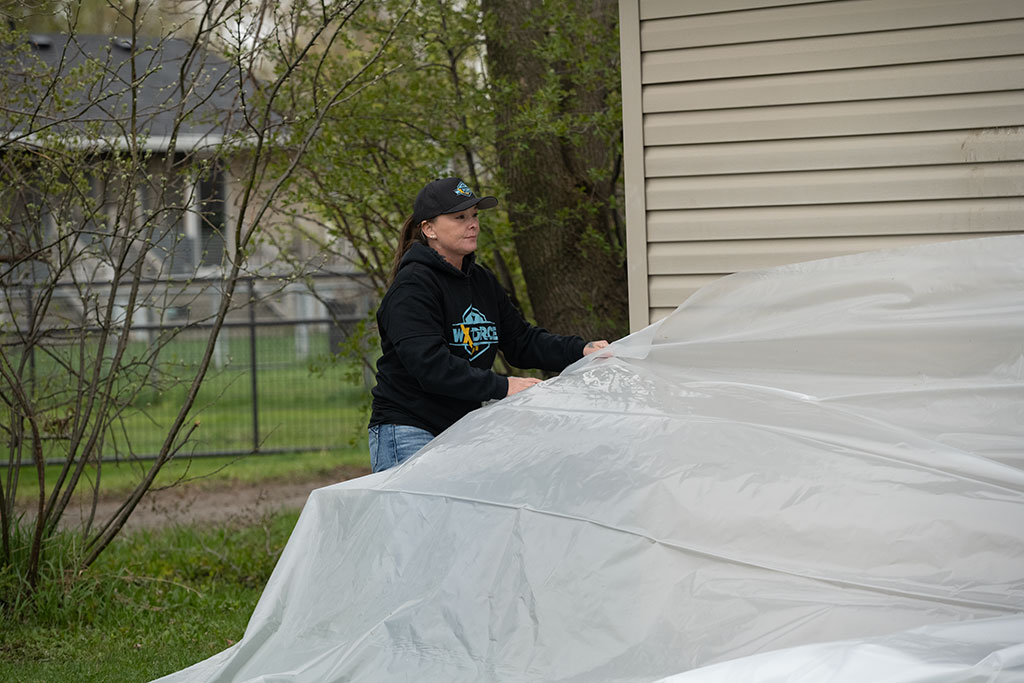
More Women Are Finding Long-Term Careers in the Industry
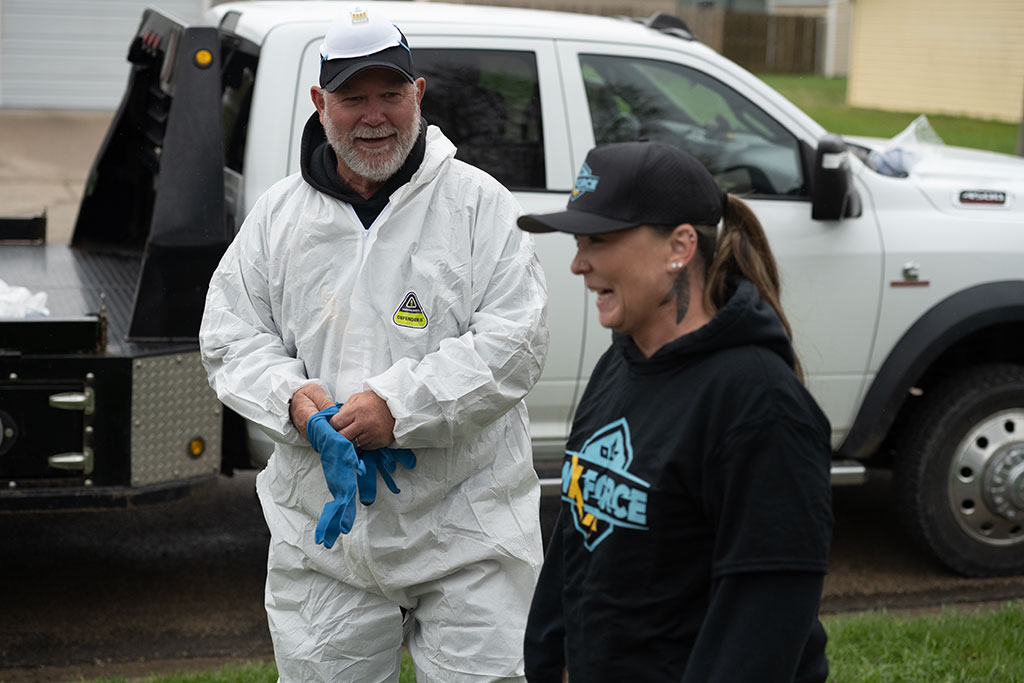
As weatherization continues becoming more technical and specialized, the industry is creating more opportunities for people with different strengths and career interests.
Some workers remain in hands-on field roles. Others continue into:
- energy auditing
- quality control inspection
- crew leadership
- program management
- building performance analysis
The field continues expanding, and so do the opportunities within it.
Explore Weatherization Careers in North Dakota
Weatherization careers offer the opportunity to build real skills, continue learning, and make a direct impact in communities across North Dakota.