
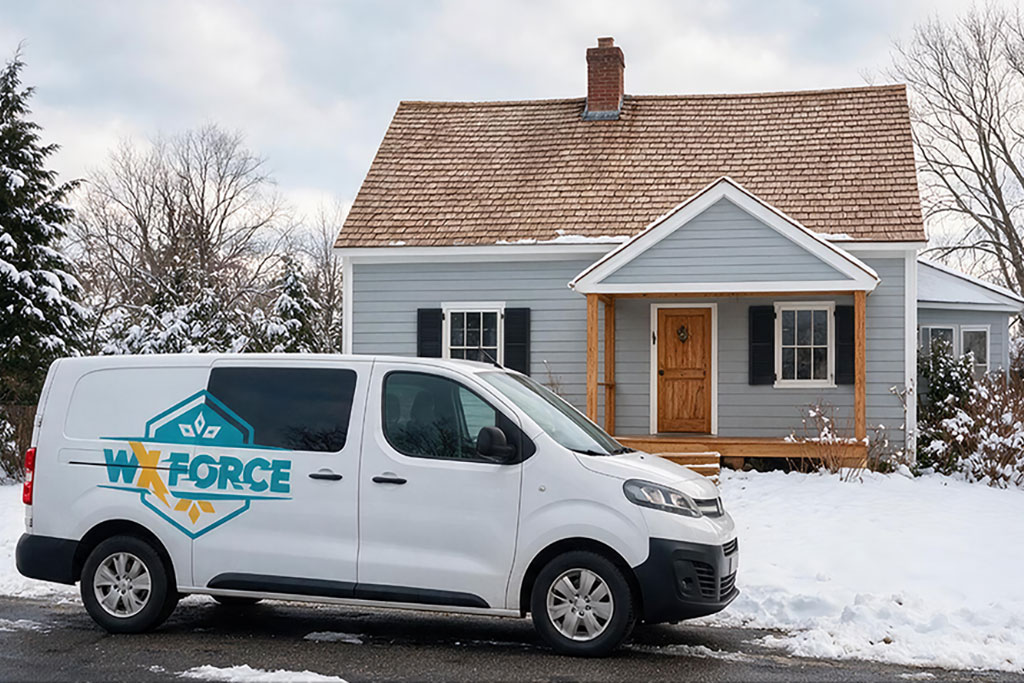
Homes in cold climate states face a different set of challenges than homes in milder parts of the country. In North Dakota, winter temperatures can remain below freezing for long stretches, and heating systems work constantly to keep indoor spaces comfortable.
Those long winters place significant pressure on a home’s insulation, structure, and mechanical systems. Even small gaps in insulation or air sealing can allow heat to escape, forcing heating equipment to run longer and harder than it should.
Weatherization focuses on strengthening homes so they can perform better under these conditions. By improving insulation, sealing air leaks, and addressing other efficiency issues, weatherization helps homes hold heat more effectively and use energy more efficiently.
Where Homes Commonly Lose Heat
Heat rarely escapes from just one place in a house. In many homes, energy loss happens through a combination of small issues that add up over time.
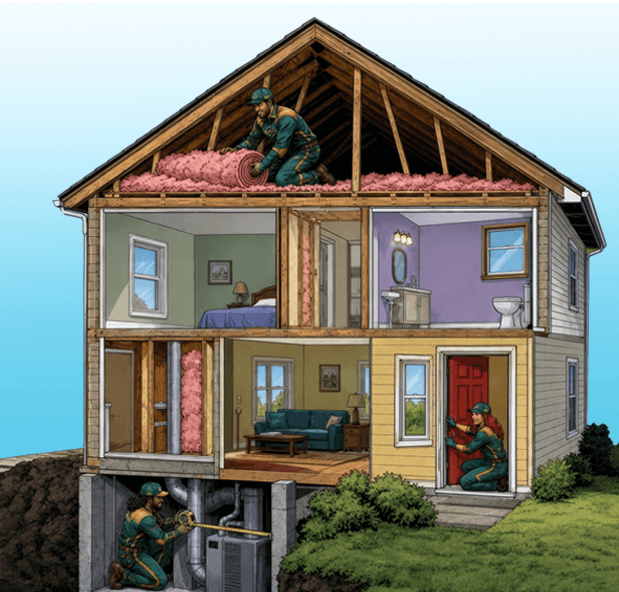
Warm air often rises and escapes through the upper portions of the home, especially when attic insulation is insufficient. Drafts can also enter through gaps around windows, doors, or the structure of the house itself. Foundations and crawlspaces may also allow heat to escape if they are not properly insulated.
Some of the most common areas where energy loss occurs include:
- air leaks around framing and foundations
- poorly insulated attic spaces
- gaps around windows and exterior doors
- mechanical systems that operate inefficiently
When these issues combine, heating systems have to work harder to maintain a comfortable indoor temperature. That increased demand can lead to higher energy use and inconsistent comfort throughout the home.
Strengthening the Home with Insulation and Air Sealing
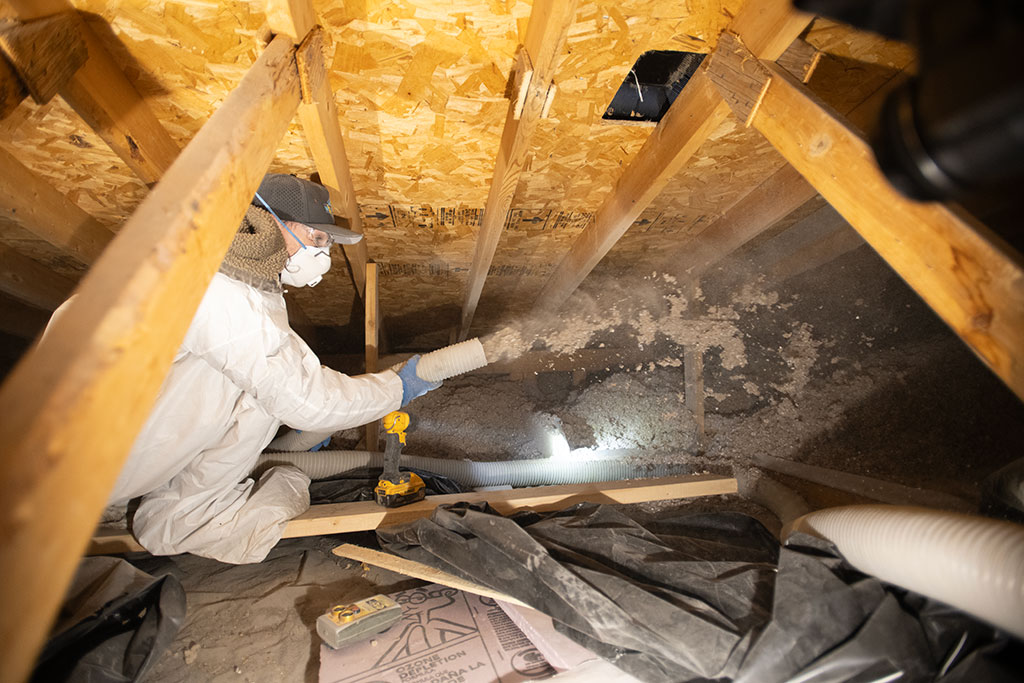
Two of the most effective ways to improve a home's energy performance are adding insulation and sealing air leaks.
Insulation slows the movement of heat through walls, ceilings, and other parts of the building. When insulation levels are too low, warm air escapes quickly and the home loses heat faster than it should.
Air sealing addresses a different part of the problem. Even well insulated homes can lose heat if air is moving freely through cracks and small openings in the structure.
When crews improve insulation and seal those leaks, the results often work together:
- indoor temperatures stay more stable
- heating systems run more efficiently
- rooms feel less drafty during winter
These improvements help homes retain heat during cold months while also supporting better temperature control throughout the rest of the year.
Improving Comfort and Indoor Conditions
Weatherization improvements often create noticeable changes inside the home.
Residents frequently experience more consistent temperatures from room to room. Areas that once felt cold or drafty become more comfortable because warm air stays inside the building instead of escaping through gaps.
Other benefits can include:
- fewer drafts during winter
- improved airflow and indoor air quality
- safer operation of heating systems
- a more stable indoor environment overall
While energy efficiency is a major goal of weatherization programs, the improvements also contribute to healthier and more comfortable living conditions.
The People Who Make Weatherization Possible
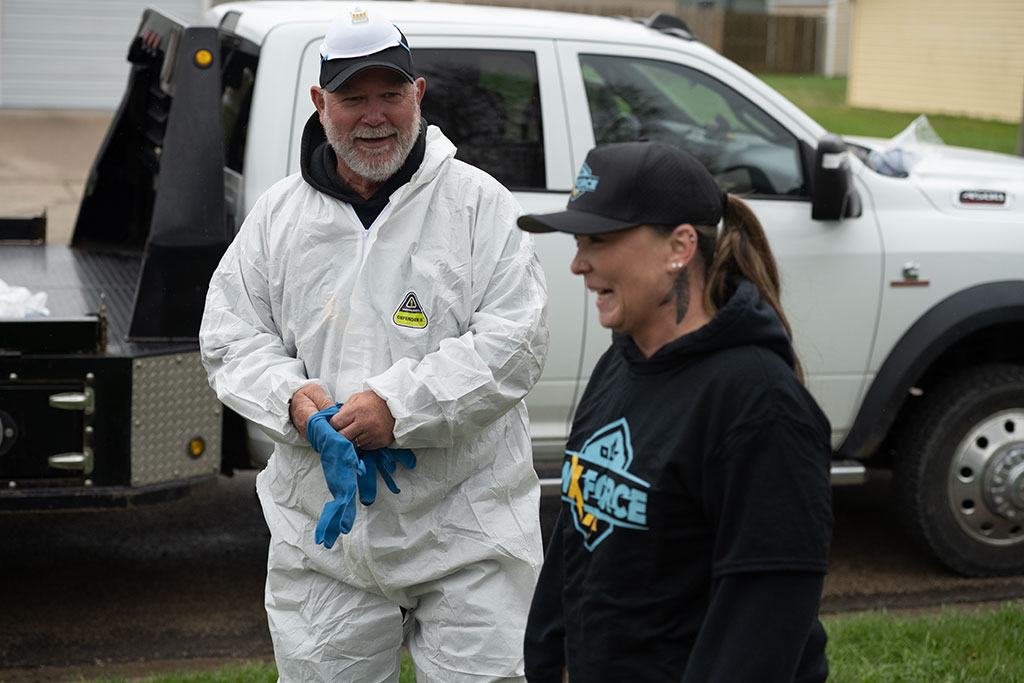
Behind every weatherization project is a team of trained professionals who understand how homes function and how to improve their performance.
Different roles contribute to the process. Weatherization technicians complete the physical upgrades inside the home. Energy auditors evaluate how a house performs and determine which improvements will have the greatest impact. Quality control inspectors verify that the work meets program standards once the upgrades are complete.
Program managers and administrators help coordinate projects and ensure that weatherization services reach the households that need them.
Together, these professionals form the workforce that helps strengthen homes across North Dakota and improve how they handle the demands of a cold climate.
Help Strengthen Homes Across North Dakota
Every weatherization project helps families stay warmer, safer, and more comfortable through North Dakota's toughest winters. Behind each improvement is a team of professionals working together to make homes more energy efficient and resilient.
If you're looking for a career where your work has a lasting impact on homes and communities, weatherization offers an opportunity to build valuable skills while making a difference.