

Weatherization technicians help improve how homes handle energy, especially in places with long, cold winters like North Dakota. Their work focuses on identifying where homes lose heat and completing upgrades that make those homes more efficient and comfortable.
A weatherization technician’s job combines hands-on construction work with problem solving. Crews move through homes installing insulation, sealing areas where air escapes, and making improvements that help heating systems work more effectively.
Each project may look slightly different, but the goal stays the same. Strengthen the home so it holds heat better and uses energy more efficiently.
Technicians usually work in small crews, which means every person contributes directly to the progress of the project.
Starting the Day
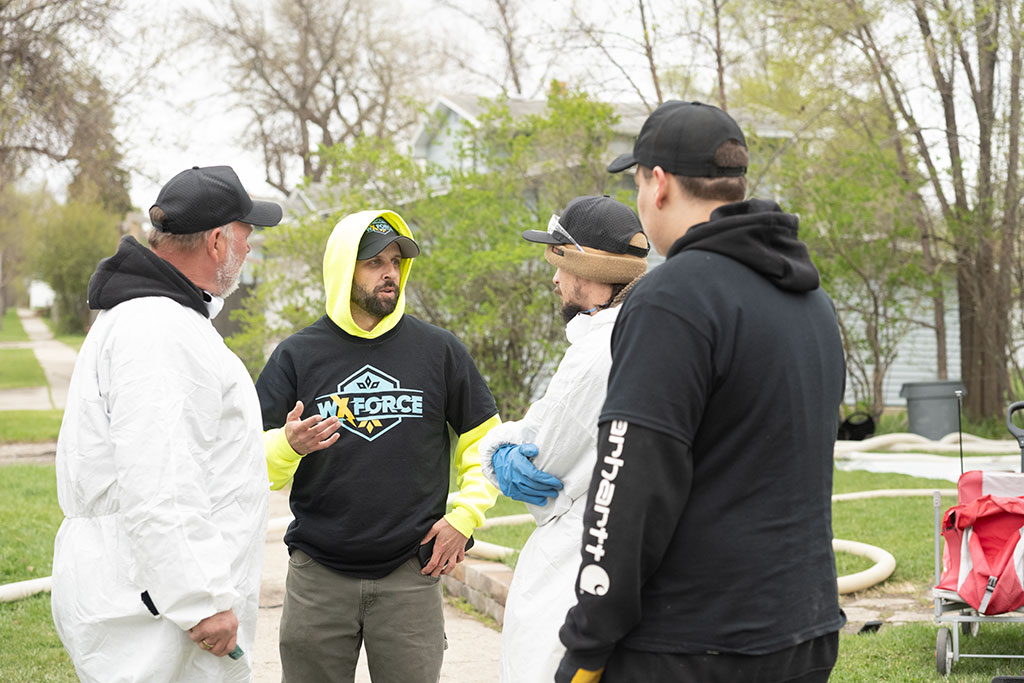
Most weatherization crews begin the day with a quick review of the home they will be working on. Before any tools come out, the team talks through the work plan so everyone understands what improvements need to happen.
The crew leader typically walks the group through the house, pointing out the areas that need attention. This might include an attic with low insulation, gaps around framing where air leaks out, or mechanical areas where heating efficiency can be improved.
Once the plan is clear, the crew prepares materials and tools and begins the work.
The pace of the day often builds naturally from there. As one part of the job is completed, the crew moves on to the next area that needs improvement.
Improving the Home's Insulation and Air Sealing
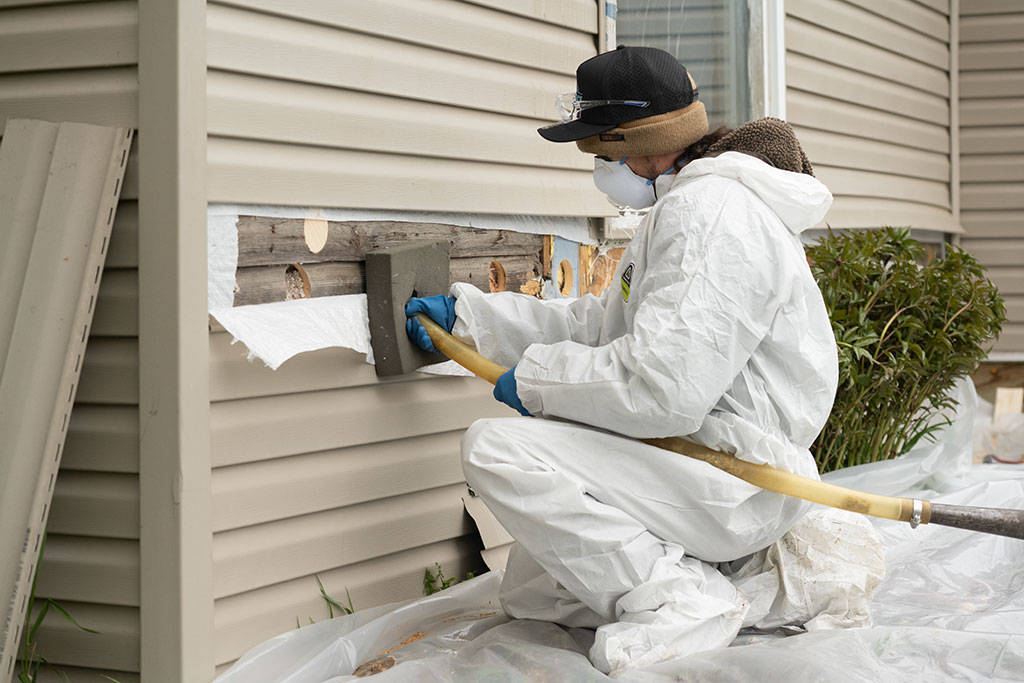
A large portion of weatherization work focuses on insulation and air sealing. These two improvements make one of the biggest differences in how well a home holds heat during winter.
Technicians may spend time adding insulation to an attic where heat escapes through the roof. In other cases they focus on sealing small openings in the structure of the home that allow warm air to leak out.
Some of the most common upgrades crews perform include:
- adding insulation to attics or wall cavities
- sealing gaps around pipes, wiring, or framing
- weatherstripping doors and windows
- preparing surfaces where insulation will be installed
Each improvement helps reduce energy loss and stabilize the indoor temperature of the home.
Using Tools and Equipment
Weatherization technicians rely on a variety of tools throughout the day. Most of them are the same tools used in many construction and building trades.
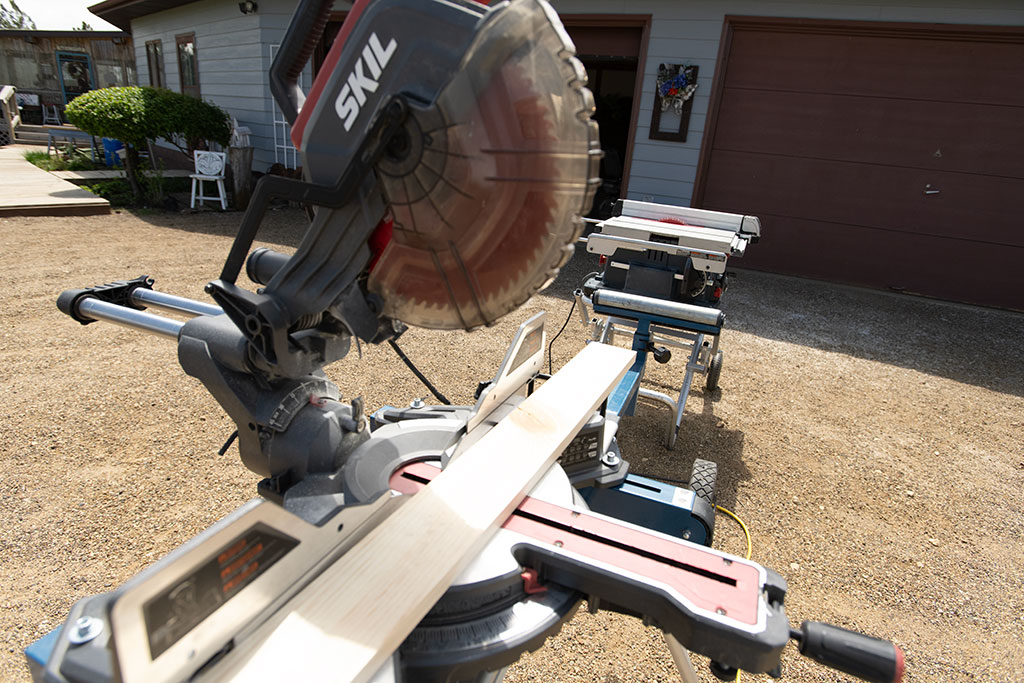
Basic equipment often includes drills, saws, measuring tools, and insulation equipment designed specifically for installing materials in attics and walls.
As technicians gain experience, they also become familiar with tools used to evaluate energy performance inside a home. Some crews use diagnostic equipment that helps identify where air leaks or insulation problems exist.
Learning how to handle tools safely is an important part of the job, and most technicians receive training before using specialized equipment.
Working as Part of a Crew
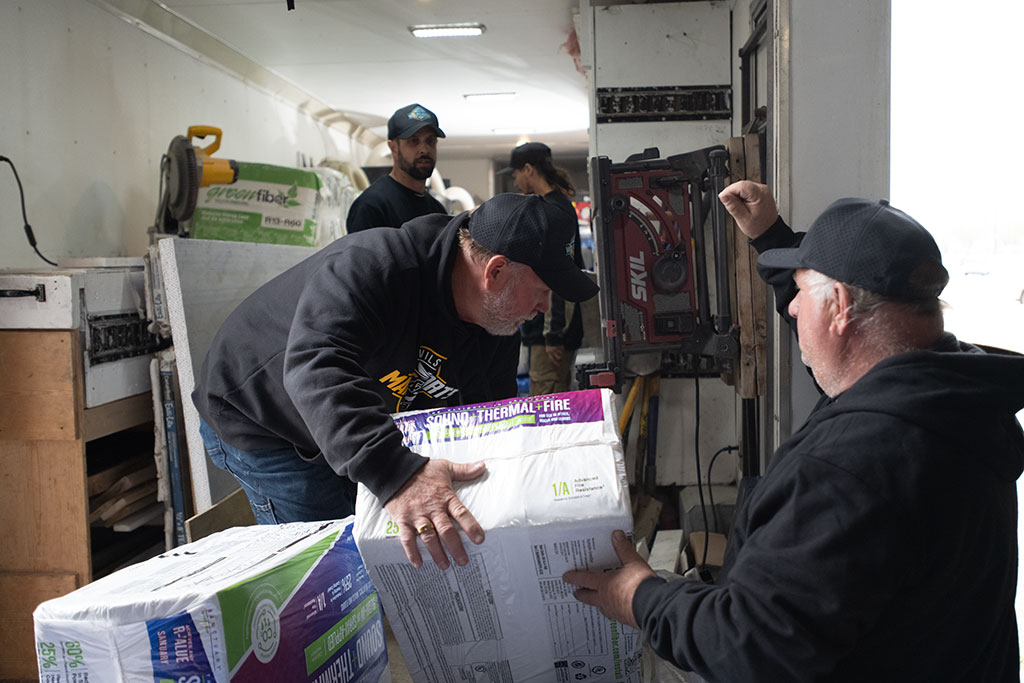
Weatherization work is rarely done alone. Crews typically consist of several technicians working together under the guidance of a crew leader.
Different members of the team may handle different parts of the project at the same time. While one technician prepares insulation materials, another may be sealing air leaks or setting up equipment.
Because the work is coordinated, communication matters. Crews rely on each other to keep projects moving efficiently and to make sure improvements are completed correctly.
Over time many technicians develop strong working relationships with the people on their crew.
Seeing the Results at the End of the Project
One of the most rewarding parts of weatherization work is seeing the finished result.
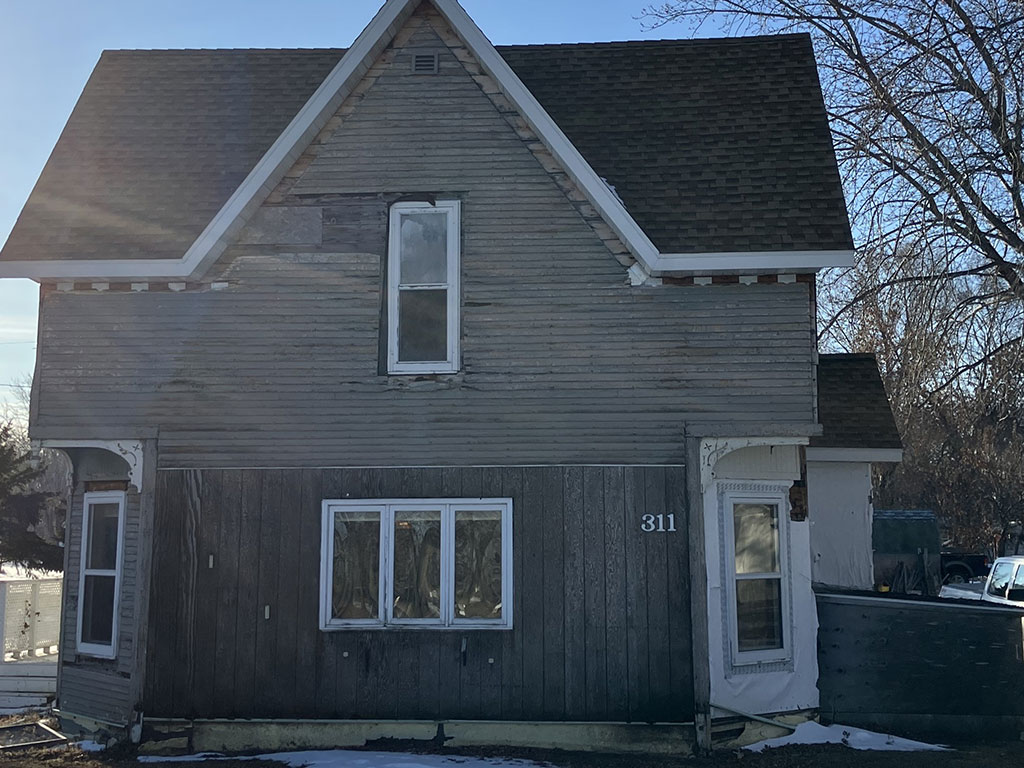
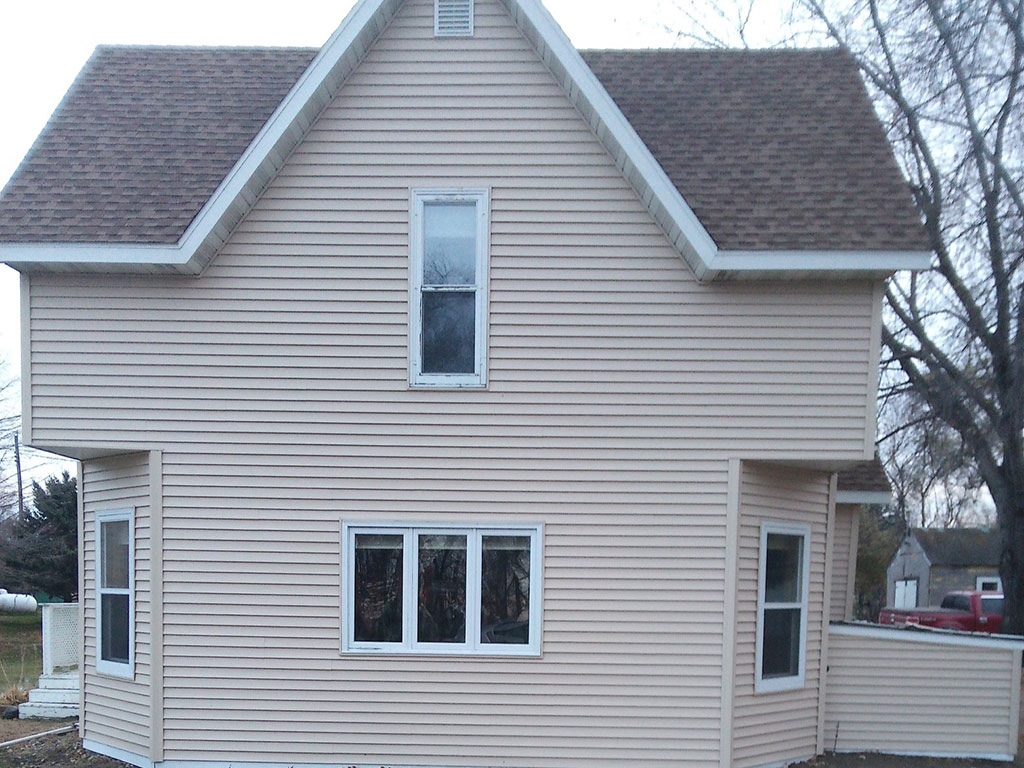
By the end of a project the home has often changed in noticeable ways. Insulation has been installed, air leaks have been sealed, and the building is better prepared to hold heat during winter.
These improvements help families maintain comfortable indoor temperatures and reduce the amount of energy required to heat the home.
For many technicians, that visible impact is one of the reasons the work feels meaningful. The effort put in during the day produces improvements that people can actually feel in their homes.
A Job That Builds Skills Over Time
Working as a weatherization technician also provides a foundation for other roles in the field. As technicians gain experience, they develop a deeper understanding of how homes perform and how different upgrades affect energy efficiency.
That experience can lead to opportunities such as crew leadership, energy auditing, or quality control inspection.
For people who want to build practical trade skills while working on projects that improve homes, weatherization technician jobs offer a clear starting point.
Discover Where a Weatherization Career Can Take You
Every day as a Weatherization Technician is an opportunity to build practical skills, solve real problems, and make homes safer and more energy efficient. It's a career where you can see the impact of your work while gaining experience that opens the door to future opportunities.