When people think about getting into the skilled trades, one assumption often stops them before they even start: you need experience first.
It’s easy to see why people think that. Many construction or technical roles seem like they require years of background knowledge before someone can even apply.
Weatherization careers don’t always work that way.
Across North Dakota and the rest of the country, many people begin working in weatherization with little or no prior trade experience. Instead of requiring years in the field, many positions focus on learning through hands-on work, mentorship from experienced crew members, and training that happens directly on job sites.
In other words, people often build their experience after they start.
How Most Weatherization Careers Start
For many people entering the field, the first step is becoming a Weatherization Crew Technician.
This is the role where the real work of improving homes happens. Crew technicians help complete the upgrades that make houses more energy efficient and better prepared for harsh winters.
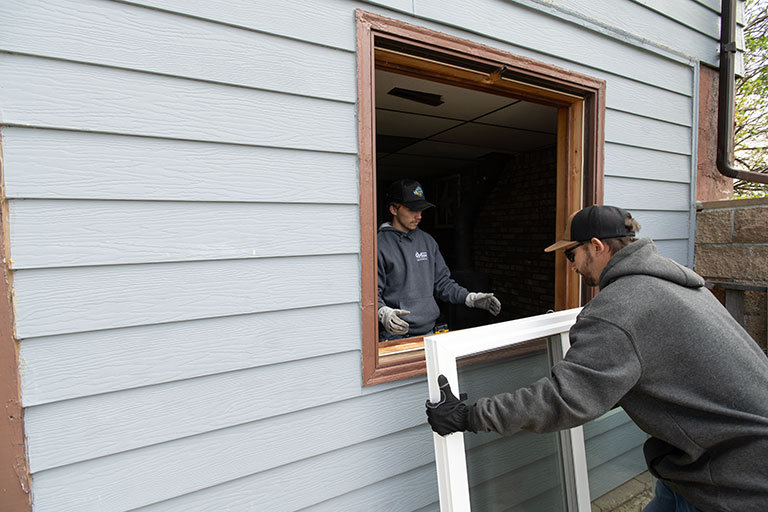
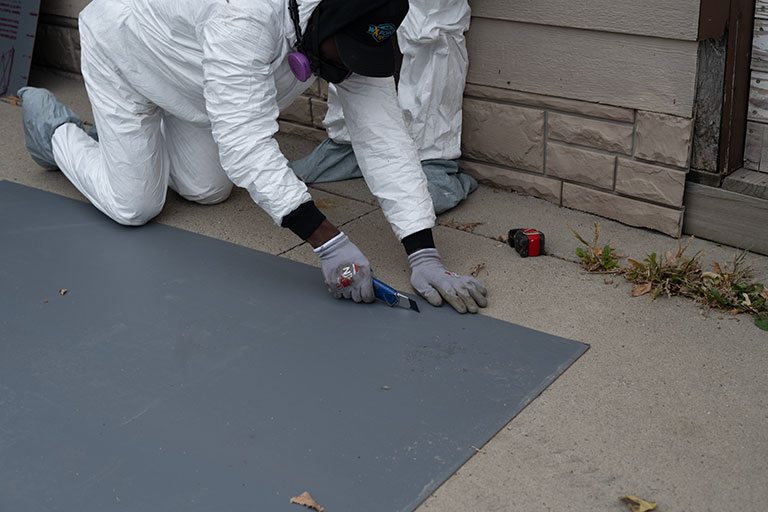
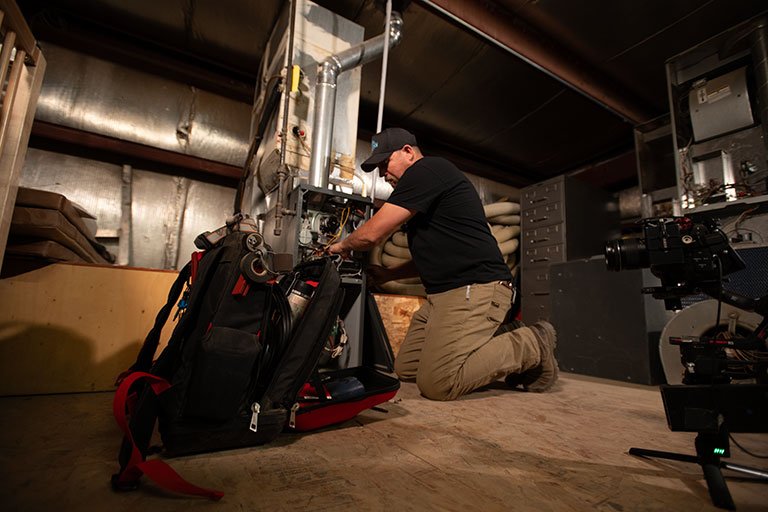
A typical project might involve installing insulation, sealing areas where air leaks out of a home, or preparing materials that other crew members will use during the job. The work usually happens in attics, basements, crawlspaces, and other areas where homes lose heat.
The important part is that no one is expected to know everything on day one.
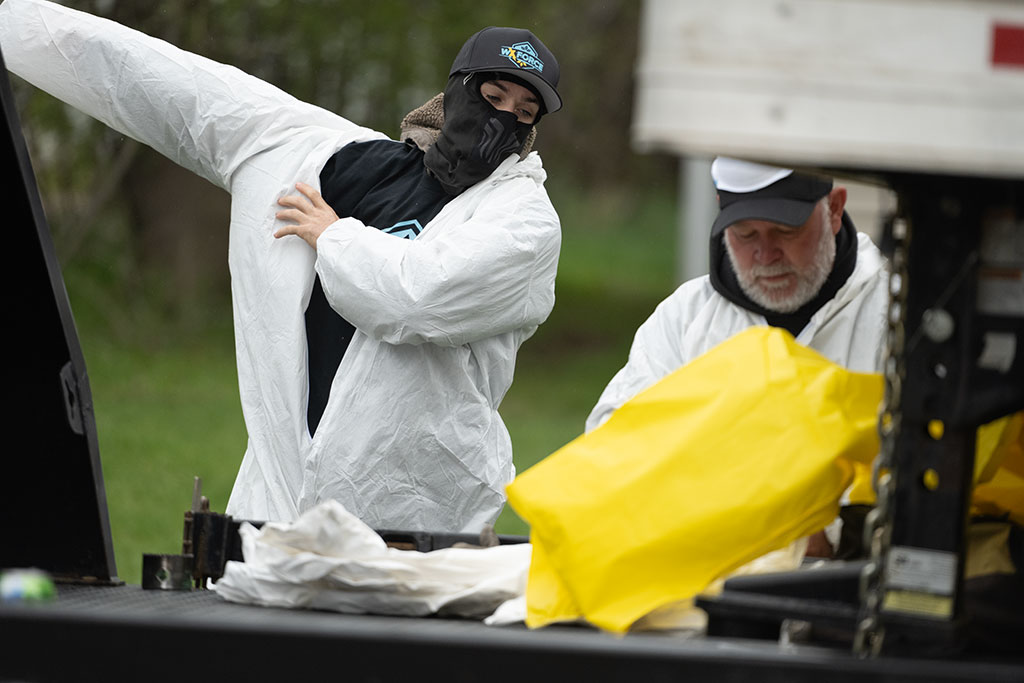
New technicians work alongside experienced crew members who show them how the work is done. After a few projects, the tools and techniques start to feel familiar. What once seemed complicated becomes part of a normal routine.
Skills That Matter More Than Experience
While previous construction or trade experience can be helpful, it is not always the most important factor when hiring entry-level weatherization workers.
Employers often look for qualities that indicate someone will succeed on a crew and grow into more advanced roles over time.
Important qualities include:
- Willingness to learn new skills
- Ability to follow safety procedures
- Reliability and strong work ethic
- Comfort working as part of a team
- Basic familiarity with tools and equipment
Many successful weatherization technicians begin their careers with only basic tool experience and develop more advanced skills through on-the-job training.
Training Happens on the Job
One of the advantages of weatherization careers is that many technical skills are developed through real work experience.
Weatherization technicians frequently receive training in areas such as:
- insulation installation techniques
- air sealing methods that prevent energy loss
- building science fundamentals
- safe use of construction tools and equipment
- diagnostic tools used to measure home energy performance
Over time, technicians learn how different parts of a home interact from insulation and ventilation to heating systems and air movement. This knowledge helps crews identify where energy loss occurs and determine the most effective improvements.
These skills are valuable not only within weatherization but across many areas of the construction and energy efficiency industries.
Where This Career Can Lead
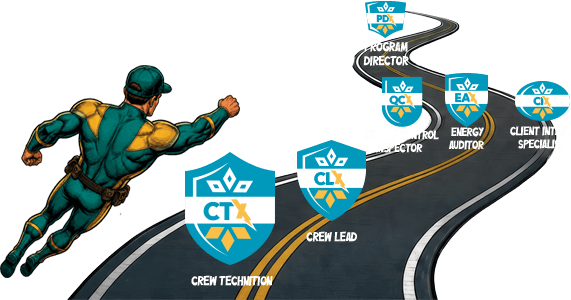
Weatherization jobs are often entry points into long-term skilled trade careers.
As technicians gain experience and build technical knowledge, many advance into roles with greater responsibility.
Common career paths include:
- Crew Leader – managing weatherization crews and coordinating job site work
- Energy Auditor – evaluating homes and identifying energy efficiency improvements
- Quality Control Inspector – verifying that weatherization work meets program standards
- Program Director – overseeing weatherization programs and teams
Each step builds on the experience gained in earlier roles, allowing professionals to move from hands-on field work into technical or leadership positions.
This progression makes weatherization one of the few construction-related fields where workers can clearly see how entry-level positions connect to long-term career growth.
Ready to Start a Weatherization Career?
Many weatherization professionals began their careers without prior construction experience. What matters most is a willingness to learn, a strong work ethic, and the ability to work as part of a team.
If you are interested in building practical trade skills while helping improve homes across North Dakota, weatherization may be a strong place to begin.