Weatherization work sits at the intersection of construction, energy efficiency, and building science. For many people entering the workforce, it offers a way to build real trade skills while also learning how homes function as complete systems.
Technicians spend their days improving insulation, sealing air leaks, and helping homes perform better during extreme weather. Along the way they develop a combination of practical construction abilities and technical knowledge that applies to many areas of the skilled trades.
The longer someone works in weatherization, the more they begin to understand how small improvements in a home can make a measurable difference in comfort, safety, and energy performance.
Learning How Homes Actually Work
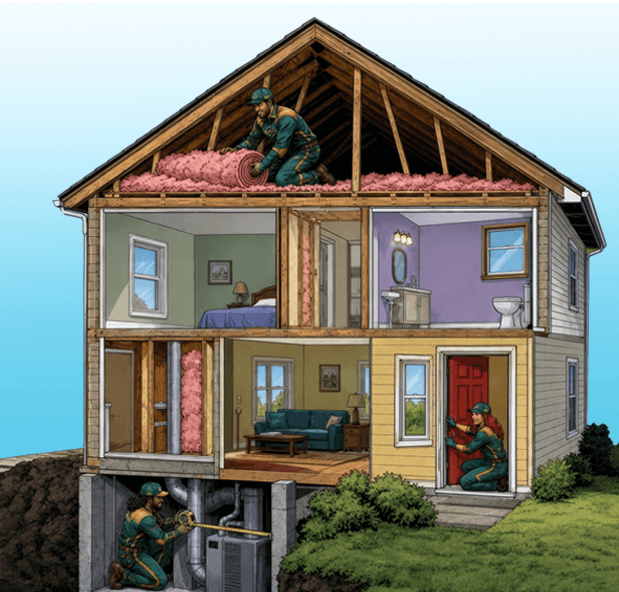
One of the most valuable skills technicians develop is understanding how a house functions as a system.
At first, most people simply see walls, floors, and ceilings. With experience, technicians begin to notice how heat moves through a home, where air escapes, and how insulation affects indoor temperature.
This knowledge is often referred to as building science. It focuses on the relationship between insulation, ventilation, heating systems, and the structure of the building itself.
Over time, technicians start recognizing patterns. An attic with poor insulation may allow heat to escape through the roof. Small gaps around framing or plumbing can create air leaks that make rooms drafty. Understanding these relationships allows crews to solve problems more effectively.
Developing Practical Construction Skills
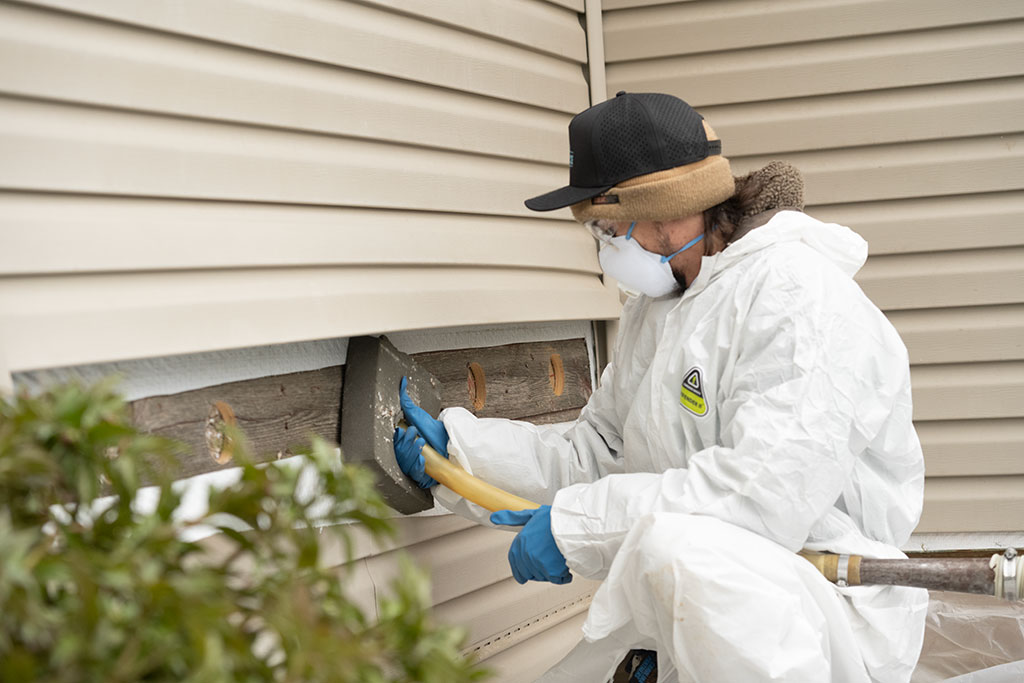
Weatherization work is also a strong way to develop practical construction skills.
Much of the work happens inside attics, basements, crawlspaces, and other parts of the home where energy loss occurs. Technicians become comfortable using tools and materials while working in these environments.
Common skills developed through daily work include:
- installing insulation in attics and walls
- sealing structural openings that allow air leaks
- safely operating construction tools
- measuring materials and preparing work areas
- following job site safety procedures
Many technicians find that these skills transfer easily to other areas of construction, renovation, and building performance work.
Understanding Energy Efficiency and Diagnostics
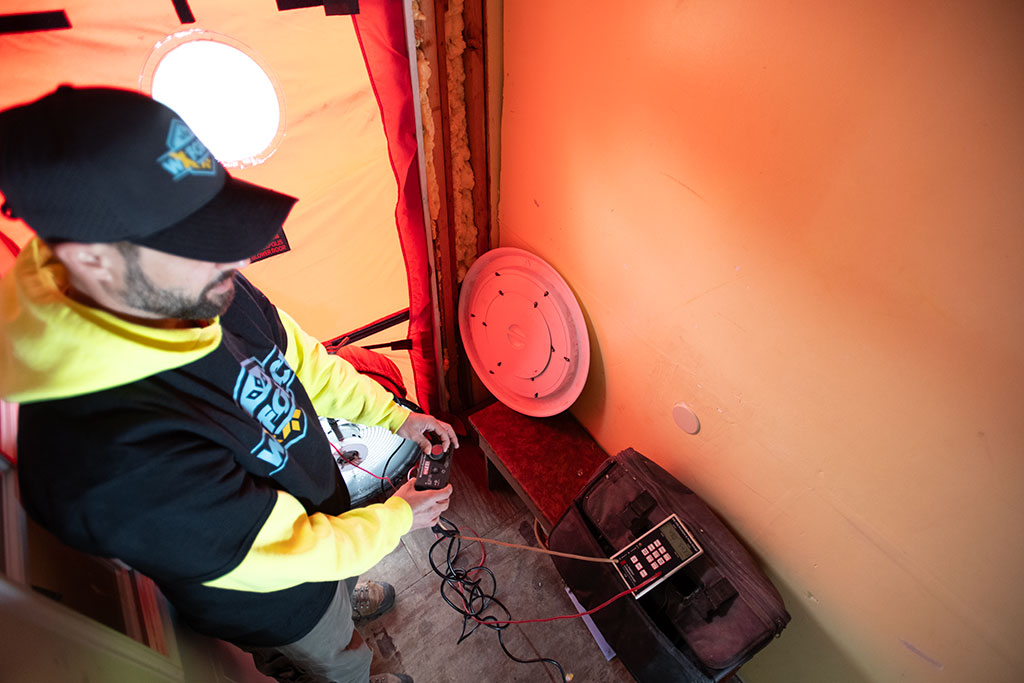
As technicians gain experience, they may begin working with tools that measure how well a home performs.
Weatherization programs often use diagnostic equipment to identify energy loss and confirm that improvements are working properly. Learning how these tools function can open the door to more technical roles within the field.
Some examples include:
- blower door testing systems used to measure air leakage
- thermal imaging cameras that reveal temperature differences inside walls and ceilings
- combustion safety testing equipment used near heating systems
These tools help crews pinpoint where upgrades will have the greatest impact.
Working With People and Teams
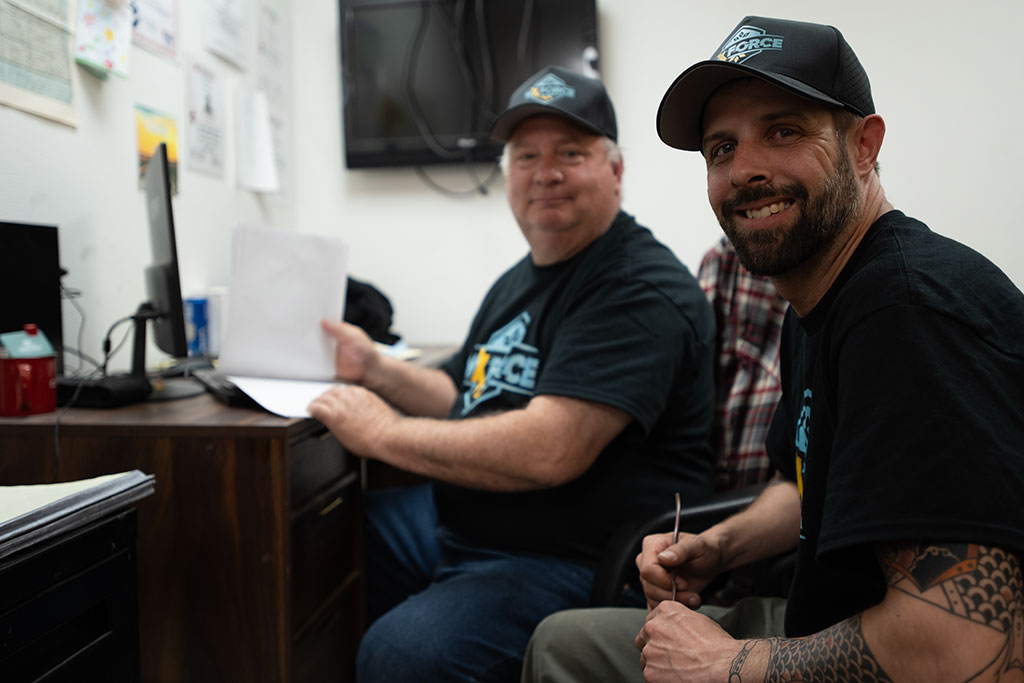
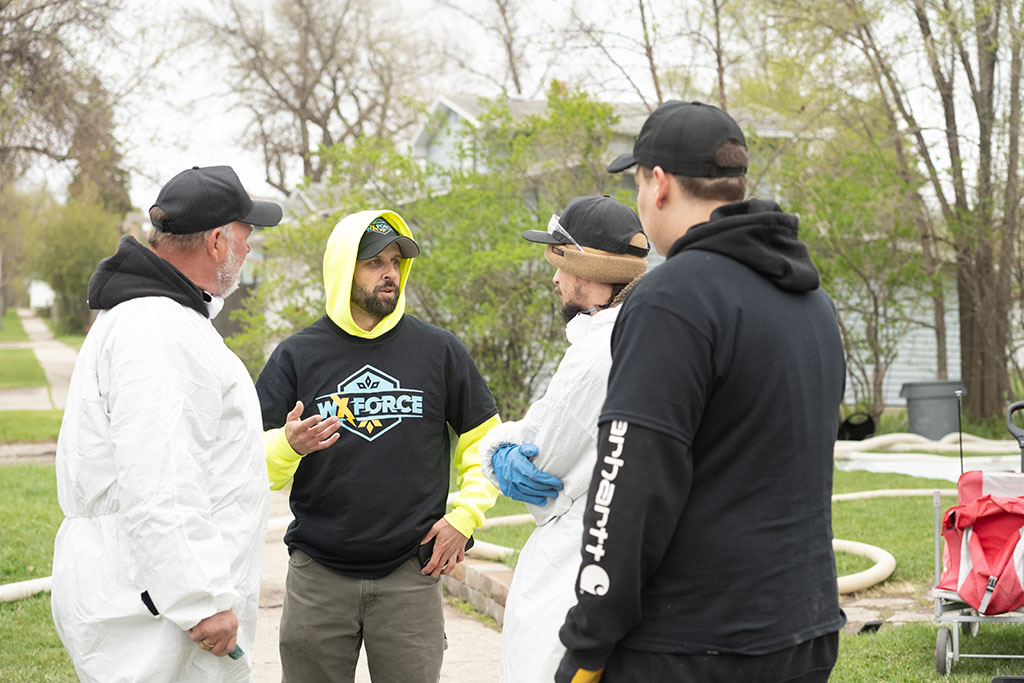
Weatherization projects are rarely completed by one person. Crews work together throughout the day, coordinating tasks and helping each other complete different parts of the job.
That environment naturally builds teamwork and communication skills.
Technicians learn how to explain what they are doing to crew members and sometimes to homeowners who are curious about the improvements being made. Over time many workers become comfortable describing technical work in a way that others can easily understand.
Those communication skills become especially valuable for technicians who move into leadership or technical roles later in their careers.
How These Skills Turn Into Career Opportunities
Many people start their weatherization careers as Weatherization Crew Technicians and gradually expand their knowledge over time.
As workers gain experience, several paths often open up within the field.
Some technicians move into leadership roles, guiding crews and coordinating job sites. Others pursue technical positions focused on evaluating homes or verifying the quality of completed work.
Common advancement paths include:
Each role builds on the skills learned earlier in the field. The deeper someone understands building science and construction practices, the more opportunities become available.
Weatherization careers often begin with hands-on work, but they frequently grow into technical or leadership positions that shape how energy efficiency projects are delivered across entire communities.
Turn New Skills Into a Lasting Career
Every weatherization project is an opportunity to learn something new. From construction techniques and building science to teamwork and problem-solving, the skills you develop on the job can open the door to a wide range of career opportunities.
Whether you're just entering the skilled trades or looking to build on your experience, weatherization offers a career where learning never stops.