Training and Certifications
Build real skills, earn certifications, and grow into advanced roles in weatherization.
Weatherization careers are built through hands-on experience and continued learning. At Wx Force, training is part of the job from the beginning.
You are not expected to come in with everything figured out. Most people learn by working alongside experienced crews, building skills over time, and gaining certifications as they grow in the field.

Training That Starts on Day One
Training begins as soon as you step onto the job.
New crew members learn directly in the field, working on real homes and developing the skills needed to complete weatherization projects safely and effectively.
You will gain experience in areas like:
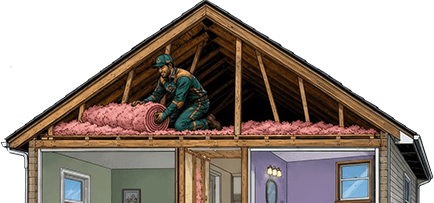
- installing insulation
- sealing air leaks and improving energy efficiency
- replacing windows and doors
- understanding how homes lose heat
- using tools and equipment safely
You will also begin to understand how weatherization programs operate, including how projects are planned and completed.
This approach allows you to build skills while earning a paycheck.
Paid Training and Ongoing Learning
Training is not limited to the job site.
Wx Force supports continued learning through:
- paid, on-the-job training
- access to accredited training centers
- opportunities to attend national conferences
- HVAC training through North Dakota State College of Science
As you gain experience, you may also learn how to use more advanced tools and systems, including energy auditing equipment and thermal imaging technology.

Certifications You Can Earn
As you grow in your role, there are opportunities to earn certifications that expand your skills and open the door to more advanced positions.
Within Your First 1 to 2 Years
Many crew members earn foundational certifications early in their careers.
These often include:
- Certified Lead Renovator
Allows you to safely work in environments where lead-based paint may be present - OSHA 10 Certification
A 10-hour safety training focused on hazard recognition, prevention, and worker safety
These certifications help build a strong foundation in safety and job site practices.
Within 2 to 3 Years
As you gain experience, you may pursue more advanced certifications tied to technical roles.
These can include:
- Weatherization Energy Auditor
- Quality Control Inspector
These certifications are issued through the Building Performance Institute and require both field experience and written exams.
They also require continuing education to maintain, which helps ensure skills stay current as building standards evolve.
Additional Certifications
Depending on your career path, there are other certifications related to weatherization and building performance.
Examples include:
- Healthy Homes Evaluator
- Building Analyst
- Lead Risk Assessor
- Infrared Thermography
- Multifamily Quality Control Inspector
These certifications allow workers to specialize and take on more technical or leadership-focused roles.
Learning How Homes Perform
Beyond certifications, one of the most valuable parts of training is learning how homes function.
Over time, workers develop an understanding of:
- how air moves through a home
- how insulation affects temperature
- how heating systems interact with the structure
- how to identify and fix energy loss
This knowledge is often referred to as building science, and it becomes the foundation for many advanced roles in the field.

A Path That Keeps Growing
Training and certifications are not separate from the job. They are part of how careers in weatherization progress.
Many people begin as crew technicians and continue building their skills over time. As certifications are earned and experience grows, new opportunities open up in areas like auditing, inspection, and program leadership.
Grow Into What's Next
If you are looking for a career where you can learn real skills, earn certifications, and continue growing over time, weatherization offers a clear path forward.